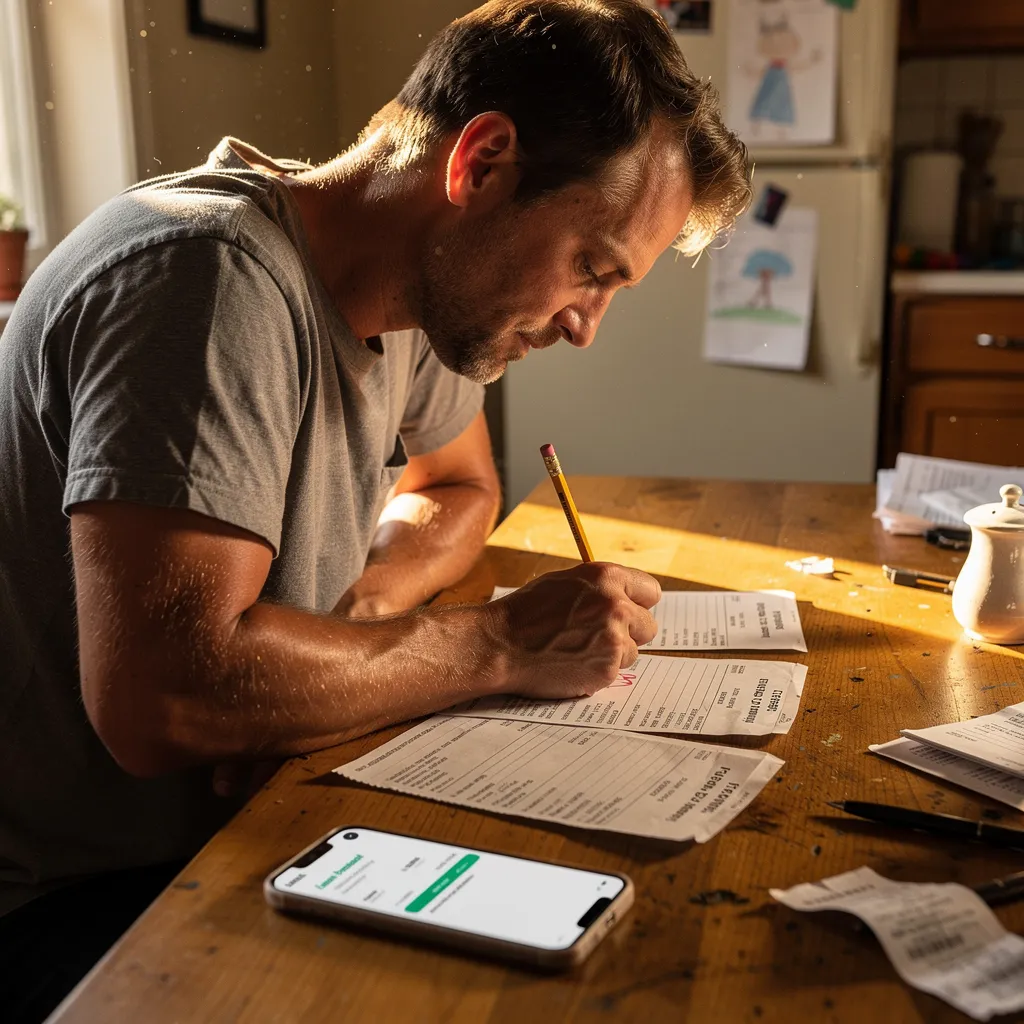
Debt Consolidation Options for Simpler Repayment: here's what actually helps.
What Are Debt Consolidation Options?
Debt consolidation refers to the process of combining multiple debts into a single loan with a lower interest rate, thereby simplifying repayment. Instead of paying several creditors, you make one payment each month toward the new loan.
Personal Loans for Debt Consolidation
Personal loans are a popular choice for debt consolidation because they offer relatively low interest rates, are easy to obtain - and are unsecured, meaning they don't require collateral. You can apply for a personal loan online, and funds are typically disbursed within days of approval. The interest rate on a personal loan depends on your credit score, income, and other factors. However - the best debt consolidation loans can offer interest rates as low as 5.99%.
Home Equity Loans
Another option for debt consolidation is a home equity loan. This type of loan uses your home as collateral, allowing you to borrow a lump sum based on your home's equity. Home equity loans typically have lower interest rates than personal loans, but they also come with higher risks. If you default on the loan, you could lose your home. It's important to carefully weigh the pros and cons before choosing a home equity loan for debt consolidation.
Home Equity Lines of Credit (HELOCs)
A HELOC is similar to a home equity loan but functions more like a credit card. With a HELOC, you're approved for a certain amount of credit - which you can draw from as needed. Interest rates on HELOCs tend to be variable, meaning they can fluctuate over time. Like home equity loans, HELOCs come with the risk of losing your home if you default on the loan.
Balance Transfer Credit Cards
Balancing transferring your credit card debt to a new card with a lower interest rate can also help you pay off debt faster. Many credit card companies offer zero-percent or low-interest balance transfers for a limited time, after which the interest rate may rise. Balance transfer fees are usually a certain percentage of the amount transferred or a fixed amount, whichever is more. These fees can add up - so it's important to shop around for a balance transfer credit card with favorable terms.
The simple fact is that debt consolidation does not erase your debt and it does not reduce the total amount you owe, so you have to understand that you are really just moving debt from one place to another place and changing the terms. What you have to understand is that the new loan still has to be repaid in full and if you do not change the spending habits that created the original debt then you can end up with the new consolidation loan plus new debt on top of it and that makes your situation worse than before.
Advantages and Disadvantages of Debt Consolidation
There are both advantages and disadvantages to consider when deciding whether debt consolidation is right for you. On the plus side, debt consolidation can simplify your finances by consolidating multiple debts into a single loan. This can make it easier to manage your payments and reduce the amount of time it takes to pay off your debts. In addition, debt consolidation can potentially save you money on interest charges, especially if you're able to secure a lower interest rate than you're currently paying.
However, there are also some potential drawbacks to debt consolidation. For example - taking out a new loan to pay off existing debts can extend the length of time it takes to become debt-free. If you're not careful, you could end up paying more in interest over the life of the loan than you would have if you'd continued to make payments on your original debts. Additionally, some debt consolidation options come with added risks, such as the risk of losing your home with a home equity loan or HELOC.
Keep in mind that a common mistake people make is focusing only on the lower monthly payment and not looking at the total interest paid over the full life of the new loan and so a lower monthly payment that is stretched over a much longer term can cost you more overall even if the interest rate looks better. The fix for this is to add up the total repayment amount on the new loan and compare that total number directly to the total remaining repayment on your existing debts and that comparison gives you a clearer picture than the monthly payment alone does.
Debt Consolidation Scams to Watch Out For
Unfortunately, scammers often prey on people who are struggling with debt. Some common debt consolidation scams include promises of debt relief for a fee - offers of consolidation loans with no credit checks, and claims that you can discharge your debt without filing for bankruptcy. To protect yourself from debt consolidation scams, it's important to do your research and be wary of unsolicited offers. Only work with reputable lenders and debt relief companies, and never pay for services upfront. If you're unsure whether a debt consolidation offer is legitimate, contact your state attorney general's office or the Federal Trade Commission for assistance.
What you have to understand is that a legitimate lender or credit counselor will not pressure you to sign anything quickly and will not guarantee results before reviewing your full financial situation and so any offer that feels rushed or too simple is worth slowing down on. On top of that, you should be careful about any company that tells you to stop paying your existing creditors before a new plan is in place because stopping payments without a confirmed arrangement in place will damage your credit score and can lead to collection activity against you.
When Should You Consider Debt Consolidation?
Debt consolidation can be a good option if you're having trouble keeping track of multiple debts or if you want to lower your monthly payments. It can also be helpful if you're trying to improve your credit score by reducing your credit utilization ratio. However - debt consolidation isn't always the best solution for everyone. If you're able to pay off your debts quickly or if you're already struggling to make minimum payments, debt consolidation may not be the best option for you.
What you have to understand is that your credit score matters a lot at the point when you are deciding to consolidate and so if your credit score has already dropped because of missed payments then the interest rate you get offered on a new consolidation loan may not be low enough to actually help you and that means the timing of when you apply is something you have to think about carefully. The common mistake people make is waiting too long and applying for a consolidation loan only after their credit score has already taken damage from late payments and so the fix is to look at consolidation options earlier, before you start missing payments, because your chances of getting a useful rate are better at that point.
Alternatives to Debt Consolidation
If debt consolidation isn't the right choice for you, there are other strategies you can use to pay off your debts. For example, you could try creating a budget to track your spending and identify areas where you can cut back. You could also consider contacting your creditors to negotiate lower interest rates or modified payment plans. In some cases, filing for bankruptcy may be the best option for getting out of debt. However - bankruptcy should be a last resort, as it can have serious consequences for your credit score and financial future.
The simple fact is that a debt management plan through a nonprofit credit counseling agency is one alternative that many people overlook and it does not require you to take out a new loan at all and so it can be a safer path for people who do not qualify for a low enough interest rate to make a consolidation loan worthwhile. Keep in mind that negotiating directly with creditors yourself costs nothing and some creditors will agree to a reduced interest rate or a hardship payment plan if you contact them and explain your situation honestly and that approach is worth trying before you pay any third party for help.
How to Choose the Best Debt Consolidation Option
Choosing the best debt consolidation option depends on your individual circumstances. If you have good credit and a stable income, a personal loan may be the best choice for you. If you own a home and have significant equity, a home equity loan or HELOC could be a good option. If you're looking for a quick and simple way to pay off credit card debt, a balance transfer credit card may be the best choice. However - it's important to compare the terms and conditions of different debt consolidation options before making a decision. Look at factors such as interest rates, fees, and repayment terms to determine which option is the best fit for your needs.
Debt Consolidation for Federal Student Loans
If you have federal student loans, you may be eligible to consolidate them through the federal government's Direct Consolidation Loan program. This program allows you to combine multiple federal student loans into a single loan with a fixed interest rate. The fixed interest rate for a Direct Consolidation Loan is the weighted average of the interest rates of the loans being consolidated, rounded up to the nearest one-eighth of a percent. Consolidating your federal student loans through the Direct Consolidation Loan program can simplify your repayment process and potentially lower your monthly payments. However - it's important to carefully weigh the pros and cons before consolidating your federal student loans.
Keep in mind that consolidating federal student loans through the government program can cause you to lose progress toward any income-driven repayment forgiveness you have already built up and so if you have been making qualifying payments for a long time that progress may be reset and that is a real cost that is easy to overlook. The common mistake people make is consolidating federal loans without first checking whether they are working toward any forgiveness program and the fix is to contact your loan servicer and ask specifically about how consolidation would affect your repayment timeline and any forgiveness eligibility before you do anything.
Debt Consolidation for Private Student Loans
If you have private student loans, you may not be eligible to consolidate them through the federal government's Direct Consolidation Loan program. However, you may still be able to consolidate your private student loans through a private lender. Many private lenders offer consolidation loans that allow you to combine multiple private student loans into a single loan with a lower interest rate. As with other debt consolidation options, it's important to carefully compare the terms and conditions of different consolidation loans before making a decision.
Debt Consolidation for Unsecured Debts
Unsecured debts, such as credit card debt and personal loans - can be consolidated through a variety of methods. In addition to the options mentioned earlier, you may also be able to consolidate unsecured debts through a debt management plan. Debt management plans are offered by credit counseling agencies and involve negotiating lower interest rates and modified payment plans with your creditors. However, it's important to be cautious when working with credit counseling agencies, as some may charge high fees or push you into a debt settlement program that could harm your credit score.
Debt Consolidation for Secured Debts
Secured debts, such as car loans and mortgages - can be consolidated through home equity loans or HELOCs. However, it's important to carefully consider the risks associated with these types of loans. If you default on a home equity loan or HELOC, you could lose your home. Therefore, it's important to ensure that you can afford the payments before consolidating your secured debts.
Debt Consolidation for Medical Bills
Medical bills can be overwhelming, but there are ways to consolidate them into a single payment plan. Many hospitals and medical providers offer payment plans that allow you to pay off your bills over time. You may also be able to consolidate your medical bills through a personal loan or balance transfer credit card. However - it's important to carefully compare the terms and conditions of different consolidation options before making a decision.
Debt Consolidation for Collections
If you have debts in collections, you may be able to consolidate them through a debt settlement program. Debt settlement programs involve negotiating with your creditors to settle your debts for less than you owe. However, it's important to be cautious when working with debt settlement companies, as they may charge high fees and could harm your credit score. It's generally better to work directly with your creditors to negotiate a settlement or payment plan.
What you have to understand is that paying a collection account, including through a settlement, does not automatically remove the collection from your credit report and so the damage to your credit score may remain even after the debt is resolved and that is something people do not expect. On top of that, if a debt is very old you should be careful about making any payment or agreeing to a payment plan before checking whether the statute of limitations on that debt has expired in your state because in some cases making a payment can restart the clock on how long a creditor has to sue you for the debt.
Debt Consolidation for Tax Liens
Tax liens can be challenging to deal with, but there are ways to consolidate them into a single payment plan. You may be able to consolidate your tax liens through a federal installment agreement or offer-in-compromise program. However - it's important to carefully review the requirements and eligibility criteria for these programs before applying.
Debt Consolidation for Payday Loans
Payday loans are often expensive and difficult to pay off, but there are ways to consolidate them into a single payment plan. You may be able to consolidate your payday loans through a personal loan or balance transfer credit card. However, it's important to carefully compare the terms and conditions of different consolidation options before making a decision.
Debt Consolidation for Personal Loans
Personal loans can be consolidated through a variety of methods, including personal loans, home equity loans - HELOCs, and balance transfer credit cards. As with other debt consolidation options, it's important to carefully compare the terms and conditions of different consolidation options before making a decision.
Debt Consolidation for Credit Card Debt
Credit card debt can be consolidated through balance transfer credit cards, personal loans, home equity loans - and HELOCs. As with other debt consolidation options, it's important to carefully compare the terms and conditions of different consolidation options before making a decision.
Debt Consolidation for Mortgage Debt
Mortgage debt can be consolidated through home equity loans or HELOCs. However, it's important to carefully consider the risks associated with these types of loans before making a decision.
Debt Consolidation for Auto Loans
Auto loans can be consolidated through personal loans or home equity loans. However, it's important to carefully compare the terms and conditions of different consolidation options before making a decision.
Debt Consolidation for Small Business Loans
Small business loans can be consolidated through business loans or SBA loans. However, it's important to carefully compare the terms and conditions of different consolidation options before making a decision.
Debt Consolidation for Real Estate Loans
Real estate loans can be consolidated through home equity loans or HELOCs. However - it's important to carefully consider the risks associated with these types of loans before making a decision.
Debt Consolidation for Home Improvement Loans
Home improvement loans can be consolidated through home equity loans or HELOCs. However, it's important to carefully consider the risks associated with these types of loans before making a decision.
Debt Consolidation for Payroll Processing Loans
Payroll processing loans can be consolidated through business loans or SBA loans. However, it's important to carefully compare the terms and conditions of different consolidation options before making a decision.
Debt Consolidation for Accounts Receivable Financing
Accounts receivable financing can be consolidated through business loans or SBA loans. However, it's important to carefully compare the terms and conditions of different consolidation options before making a decision.
Debt Consolidation for Merchant Cash Advances
Merchant cash advances can be consolidated through business loans or SBA loans. However, it's important to carefully compare the terms and conditions of different consolidation options before making a decision.
Debt Consolidation for Equipment Leases
Equipment leases can be consolidated through business loans or SBA loans. However - it's important to carefully compare the terms and conditions of different consolidation options before making a decision.
Debt Consolidation for Commercial Real Estate Loans
Commercial real estate loans can be consolidated through commercial real estate loans or SBA loans. However, it's important to carefully compare the terms and conditions of different consolidation options before making a decision.
Debt Consolidation for Business Credit Cards
Business credit card debt can be consolidated through business loans or SBA loans. However, it's important to carefully compare the terms and conditions of different consolidation options before making a decision.
What People Get Wrong
A lot of people think that getting approved for a consolidation loan automatically means they will save money and that is not always true because if your credit score is low then the interest rate you are offered on the new loan may not be much better than what you are already paying and so the benefit disappears. People also think that once they consolidate their credit card balances onto a loan or a balance transfer card then those credit cards are done and should be closed immediately but closing multiple accounts at once can reduce your available credit and raise your credit utilization ratio and that can hurt your credit score in the short term. On top of that many people treat debt consolidation as a fix for the underlying problem but the simple fact is that consolidation is a repayment tool and not a spending tool and if the spending habits that built the debt do not change then the debt will come back. Some people also assume that a balance transfer promotional rate lasts forever and so they do not read the terms carefully and then the rate jumps up after the promotional period ends and they are back in the same position they started in. Keep in mind that federal student loan consolidation through a government program is a separate process from private loan refinancing and mixing up those two things can cause you to lose federal repayment protections and forgiveness options that you cannot get back once they are gone.
What This Does Not Cover
This article covers general information about common debt consolidation options and it is not a substitute for advice from a licensed financial advisor, credit counselor, or attorney who can look at your specific income, debts, and credit situation and give you guidance that fits your actual circumstances. If you are already behind on payments, facing wage garnishment, dealing with a tax lien, or being sued by a creditor then the general options described here may not apply to your situation and you should talk to a professional before taking any action. People with very low credit scores may not qualify for the consolidation products described here at rates that actually help and so a nonprofit credit counseling agency may be a better first contact for those people. If your debt involves a mix of secured and unsecured loans or involves business debts alongside personal debts then the interactions between those debt types can get complicated and general guidance is not enough to navigate that situation safely.
Disclaimer
This article is for general information only and isn't financial advice. Consider speaking with a licensed advisor about your own situation before making decisions.