Should a home insurance policy pay what a damaged item is worth today, or what it costs to replace it? That single choice drives most of the real differences between policies - and most of the surprises at claim time.
Home Insurance Coverage Basics for Homeowners: The Two Main Coverage Types
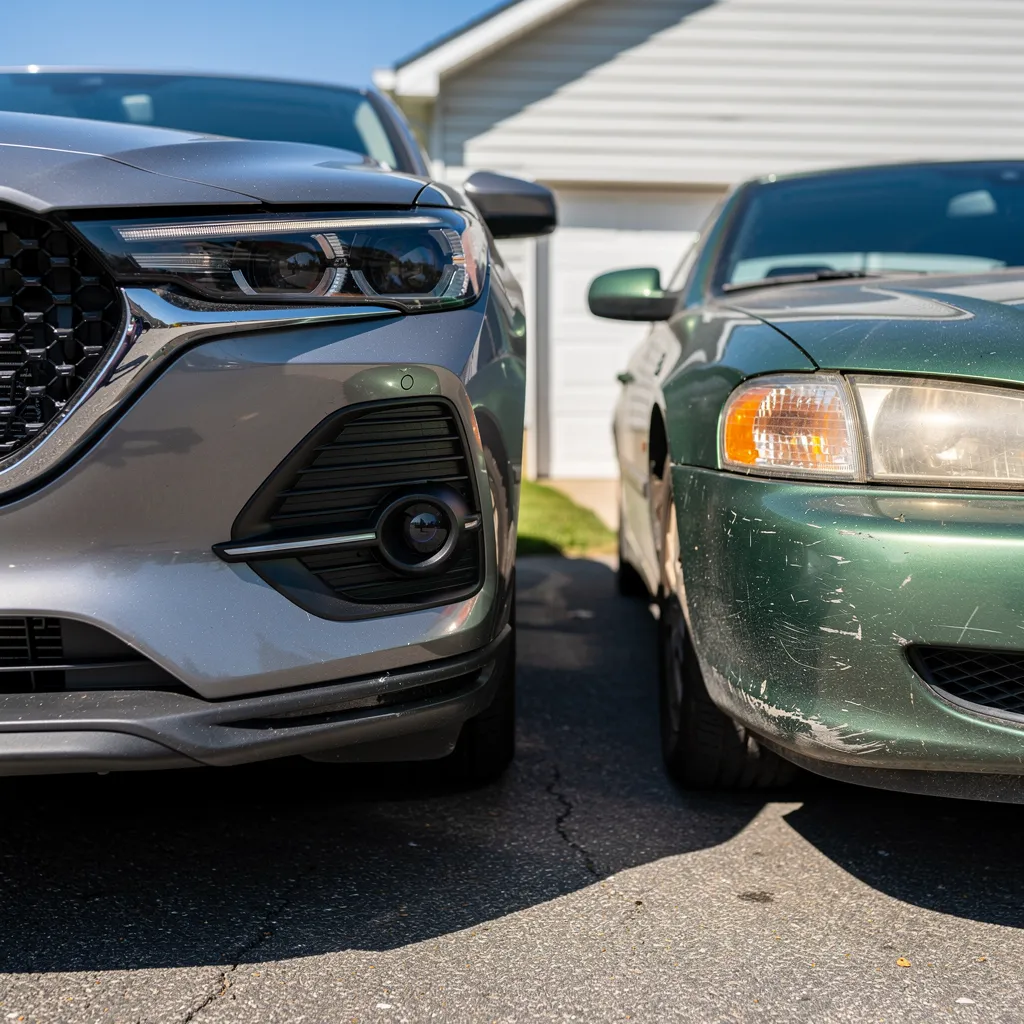
Every standard homeowners policy settles claims using one of two methods. Actual Cash Value (ACV) pays the depreciated value of whatever was damaged - what the item is worth on the market the day it broke, not what it costs to fix or replace it. Replacement Cost Value (RCV) pays the actual cost to repair or rebuild with materials of similar kind and quality, without subtracting for age or wear.
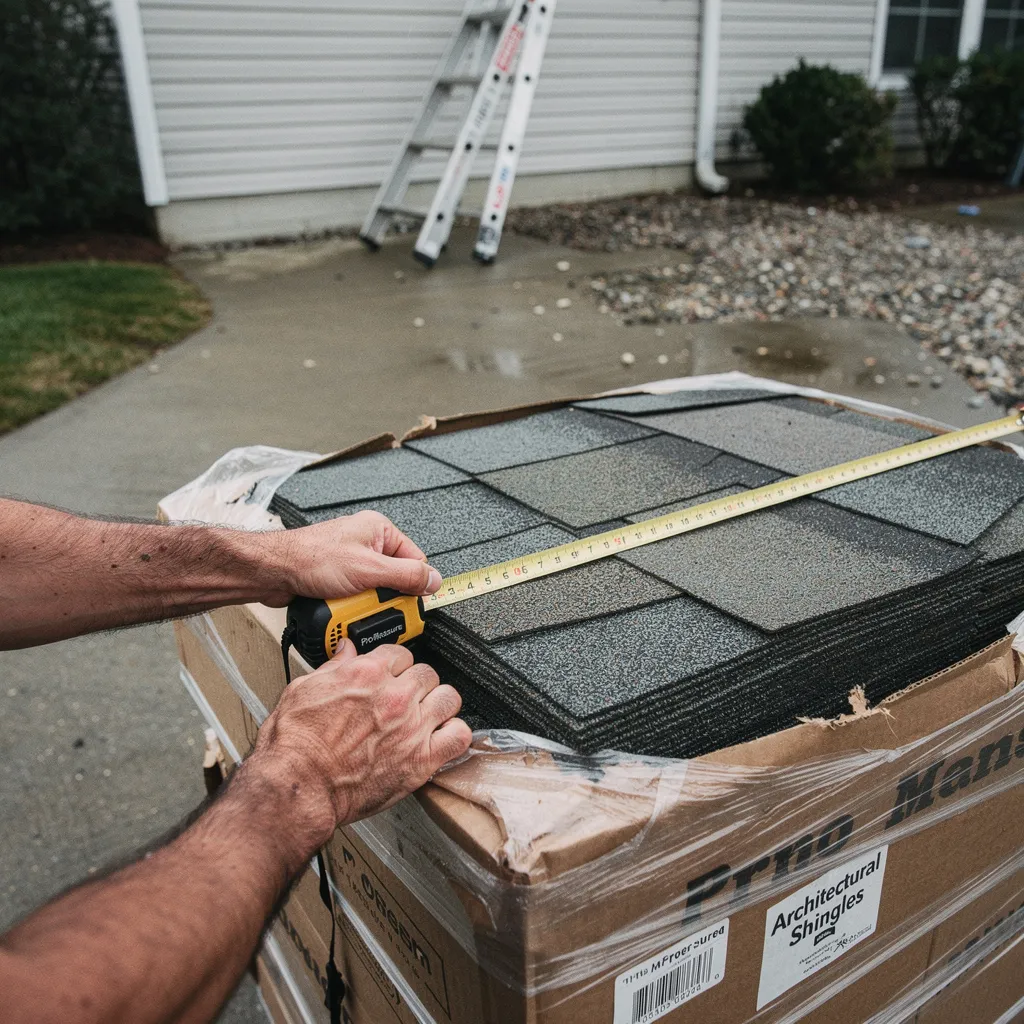
A roof is the clearest illustration. A 15-year-old asphalt roof that cost $18,000 new might have a depreciated ACV of around $6 -000 at the time of a hail claim. An RCV policy on the same roof would pay what it actually costs to put a new roof on today - which, depending on your market, could be $20,000 or more. The gap isn't marginal. It's often the difference between affording the repair and carrying the loss yourself.
Most standard policies use RCV for the structure of the home and ACV for personal property, but exact terms vary by insurer and by state. Some policies offer RCV upgrades for personal property as an add-on. Read the declarations page to see which settlement method applies to each coverage category in a specific policy.
How ACV and RCV Policies Really Differ in Practice
The split isn't just about payout math. ACV policies carry lower premiums precisely because the insurer's maximum exposure is capped by depreciation. RCV policies cost more upfront because the insurer agrees to pay full replacement regardless of how old the damaged item was.
Depreciation schedules are the mechanism that makes ACV cheaper - and riskier. Insurers apply their own depreciation tables - and those tables aren't standardized across the industry. A 20-year-old HVAC system might be depreciated to near zero under one carrier's table and to 40 percent of value under another's. The policyholder usually doesn't see those tables before filing a claim.
RCV policies often have a two-step payout process. The insurer first pays the ACV amount , and then releases the remaining "recoverable depreciation" after the policyholder shows proof that repairs were actually completed. That means a homeowner typically needs cash or credit to start the work before the full RCV benefit arrives.
Personal property claims under ACV policies are where many homeowners feel the sharpest sting. Electronics, appliances, and furniture depreciate quickly. A five-year-old laptop damaged in a kitchen fire might draw a $150 ACV check when a comparable replacement costs $900.
Cost and Value Compared Side by Side
According to NerdWallet's analysis, the average cost of homeowners insurance in the U.S. is about $2 -490 a year for $400,000 in dwelling coverage1. That national average covers a mix of ACV and RCV policies, and it shifts dramatically by state. NerdWallet's 2026 analysis found that Oklahoma is the most expensive state, with an average annual cost of about $7,255 - while Hawaii is the least expensive at about $900 per year.1 The Oklahoma-to-Hawaii gap - roughly $6,300 annually - is larger than the average national premium itself, which shows how much location outweighs coverage type in overall price.
A worked example puts the premium tradeoff in concrete terms. Suppose a homeowner in a mid-cost state pays about $2,490 annually for a full RCV policy. Switching to an ACV policy might trim that by roughly $300 to $500 per year - call it $400 in annual savings. Over ten years - that's about $4,000 saved on premiums. But if a roof claim comes in at year eight and the depreciation gap on a 20-year-old roof is $12,000, the ACV savings over the decade covered only one-third of the claim shortfall. The math favors RCV on high-value, slow-to-depreciate structures; it's a closer call on newer construction.
The regulatory market also just shifted on this question. As of March 18 - 2026, the Federal Housing Finance Agency (FHFA) announced that Fannie Mae and Freddie Mac removed certain homeowners insurance requirements, specifically allowing ACV coverage on roofs for single-family homes and condos, while the rest of the structure still requires full RCV protection.2 The FHFA stated that these changes are expected to reduce home insurance costs for millions of families, particularly in rural areas and condo buildings - making homeownership more accessible.2 The removal of the maximum per-unit deductible rule and the allowance of ACV roof coverage are expected to help condo buildings that were previously priced out of the mortgage market qualify again.2 That's a meaningful shift - roof coverage is often where the biggest ACV-versus-RCV gap shows up at claim time.
When ACV Makes Sense and When RCV Is the Stronger Choice
ACV coverage isn't always the wrong answer. For a homeowner with a newer roof , significant liquid savings, or a property where the land value represents most of the asset, the premium savings from ACV may be rational. The risk of depreciation is lower when the major systems are new, and a financially comfortable homeowner can absorb a modest depreciation gap.
RCV coverage is the stronger default for anyone carrying a mortgage - most lenders require it for the dwelling - and the FHFA's 2026 rule change still mandates RCV for everything except the roof.2 It's also the right choice for homes with older roofs, older mechanical systems, or in high-catastrophe-risk states where claim frequency is elevated. Oklahoma's average premium of about $7,255 annually reflects precisely that risk environment.1
Condo owners face a specific wrinkle. The master association policy typically covers the building's structure; the individual unit policy (HO-6) covers interior improvements and personal property. After the 2026 FHFA changes, condo buildings with ACV roof coverage can again qualify for conventional financing - which expands mortgage options - but unit owners should verify what the association policy actually covers before relying on it.2
Anyone with a federally backed mortgage should verify their policy meets current Fannie Mae or Freddie Mac guidelines directly, as those guidelines can change. The FHFA's March 2026 update is one example of how requirements shift; what was required in 2024 may differ from what's required today.2 Consult a licensed insurance professional or financial advisor for guidance specific to a particular property and loan type.
What People Get Wrong
The policy limit equals the home's market value. This is one of the most common and costly mistakes. The dwelling coverage limit should reflect the cost to rebuild the structure - materials, labor, demolition - not the price the home would sell for. In markets where land is expensive, the market value can far exceed rebuild cost. In markets with high construction costs - the reverse is true. Use a replacement cost estimator or ask an independent agent to run the numbers.
Flood and earthquake damage are covered by a standard policy. They're not. Standard HO-3 policies exclude both perils explicitly. Flood insurance is available through the National Flood Insurance Program (NFIP), administered by FEMA, or through private carriers. Earthquake coverage requires a separate policy or endorsement. Homeowners in flood zones or seismic zones who assume their standard policy covers these events discover the gap only after a loss.
A higher deductible always saves money. It lowers the premium, yes - but many policies carry separate, percentage-based deductibles for specific perils such as wind - hail, and hurricanes. On a $400,000 insured home, a 2 percent wind deductible means the homeowner absorbs the first $8,000 of any wind claim before the insurer pays anything. That's not a standard dollar deductible. It's a function of the insured value - and it can be substantially larger than the annual premium savings justify.
The FHFA's 2026 rule change means ACV roof coverage is now safe for all homeowners. The change makes ACV roof coverage permissible under Fannie Mae and Freddie Mac guidelines for qualifying loans - it doesn't mean ACV is the right financial choice for every homeowner.2 A homeowner with an older roof in a hail-prone state who switches to ACV to save on premiums could face a five-figure depreciation gap after a major storm. Regulatory permissibility and personal financial prudence are separate questions.
RCV coverage is the right default for most homeowners carrying a mortgage, those with older homes, or those in high-risk weather states. ACV coverage may make sense as a cost-reduction tool for owners with newer construction, strong financial reserves, or properties where the FHFA's 2026 roof-coverage flexibility genuinely reduces financing friction - but only after the depreciation math has been worked out honestly. Get a licensed insurance professional's assessment before making changes to coverage structure on a property with significant exposure.
Figures cited are approximate - vary by state and insurer, and change over time. This article is general financial information, not personalized insurance or legal advice. Consult a licensed insurance professional or financial advisor for guidance specific to your situation.
References
Disclaimer
This article is for general informational purposes only and isn't financial, investment, insurance - or tax advice. Rates, fees, and rules change and vary by lender and situation. For decisions about your own money, consult a qualified financial professional.