Expense Tracking Methods That Improve Saving: What's Expense Tracking?
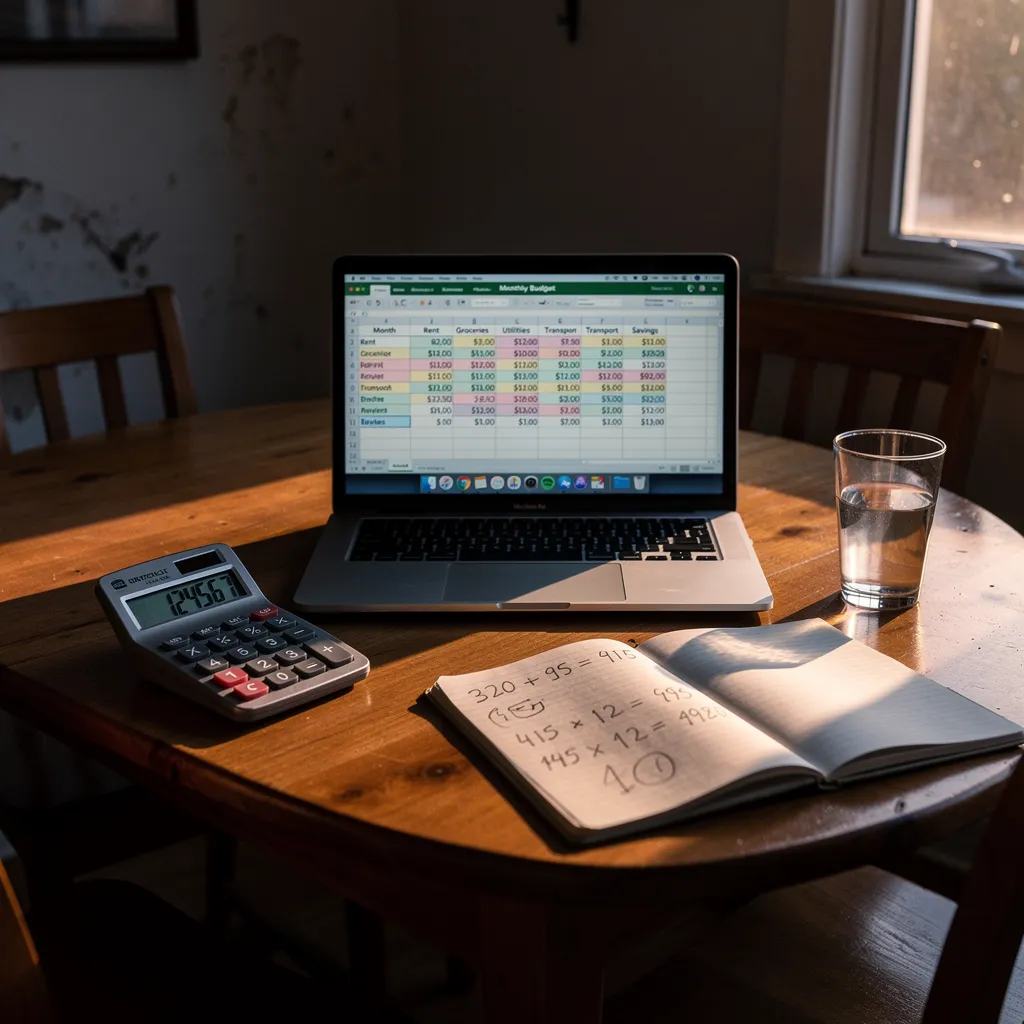
Expense tracking is the process of recording your income and expenses to better understand your financial situation. You can track your expenses using various methods, such as manual journaling, mobile apps - or spreadsheets.
When you track your expenses, you'll see how much you're spending on essential items, like rent and utilities, versus discretionary purchases, such as dining out or entertainment. You'll also be able to spot trends in your spending habits - which can help you create a budget and save more money.
Why Should You Track Your Expenses?
According to a Federal Reserve survey, 63 percent of all adults would cover an unexpected $400 expense exclusively using cash, savings, or a credit card paid off at the next statement. While this might seem like a significant amount, the truth is that it's essential to have an emergency fund to cover unexpected expenses.
In addition to preparing for emergencies - tracking your expenses can help you reduce debt, save more money, and reach your financial goals. By understanding your spending habits, you can make informed decisions about how to allocate your funds and prioritize your financial priorities.
How to Track Your Expenses
To track your expenses, you need to record your income and expenses in a consistent manner. Here are some common methods to track your expenses:
Regardless of the method you choose, it's critical to stay consistent and review your progress regularly. Set aside time each week to update your records and analyze your spending patterns.
Expense Tracking Methods That Improve Saving
Now that you know why expense tracking is essential and how to track your expenses let's explore some methods that can help you improve your saving habits:
Method 1: Envelope System
The envelope system is a cash-based budgeting technique that involves allocating cash into envelopes for different categories of expenses. For example, you might put $200 into an envelope for groceries and another $100 for gas. Once the money in an envelope is gone - you can't spend more until the next budget cycle.
This method is helpful for individuals who struggle with overspending or impulse buying. It forces you to be mindful of your spending and avoid dipping into funds intended for other purposes.
Method 2: Zero-Based Budgeting
A zero-based budget is a financial plan where you assign every dollar you earn to a category of spending or saving. The idea is to start each month with a "zero balance" and allocate your income towards expenses and savings goals.
By creating a zero-based budget, you ensure that every dollar works for you. You'll be less likely to overspend and more likely to save money for future goals.
Method 3: Debt Snowball Method
The debt snowball method involves paying off debts from smallest to largest, regardless of interest rates. By tackling small debts first, you build momentum and stay motivated to pay off larger debts later.
While this method may not save you as much money in interest payments as the debt avalanche method , it can be more psychologically satisfying to see progress and pay off debts quickly.
Method 4: 50/30/20 Rule
The 50/30/20 rule is a simple budgeting strategy that divides your income into three categories:
This rule is an excellent starting point for beginners who want to learn how to budget without getting overwhelmed. It provides a clear framework for balancing your spending and saving habits.
Benefits of Expense Tracking
Expense tracking offers several benefits that can help you improve your saving habits:
Common Expense Tracking Mistakes to Avoid
While expense tracking can be beneficial, it's essential to avoid common mistakes that can hinder your progress:
Expense Tracking Tools and Resources
Several tools and resources can help you track your expenses and improve your saving habits:
Conclusion
Expense tracking is an essential tool for anyone looking to improve their saving habits. By recording your income and expenses, you'll gain valuable insights into your financial habits and identify areas for improvement. Whether you choose to use a budgeting app, spreadsheet - or journal, the key is to stay consistent and review your progress regularly.
Consider the four expense tracking methods discussed in this guide: the envelope system, zero-based budgeting, the debt snowball method, and the 50/30/20 rule. Choose the method that best fits your financial goals and lifestyle - and start making progress towards your saving objectives today!
Disclaimer
This article is a personal reflection shared for general informational purposes only. It is not financial, investment, insurance, or tax advice. For decisions about your own money, please consult a qualified financial professional.