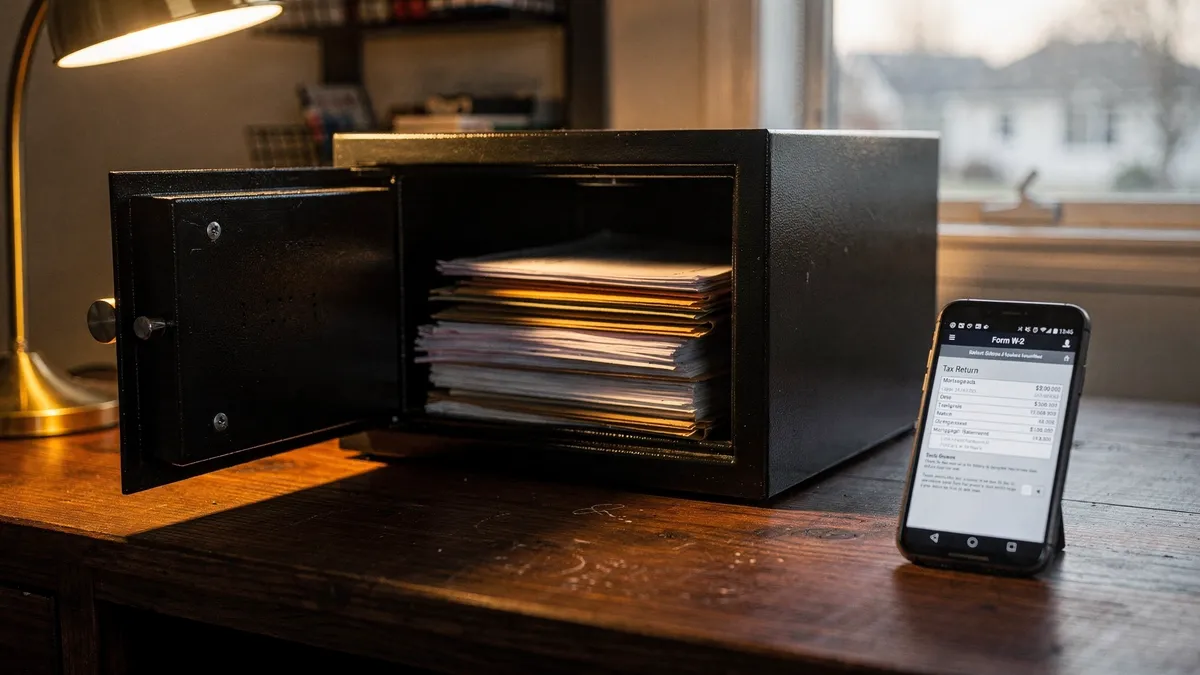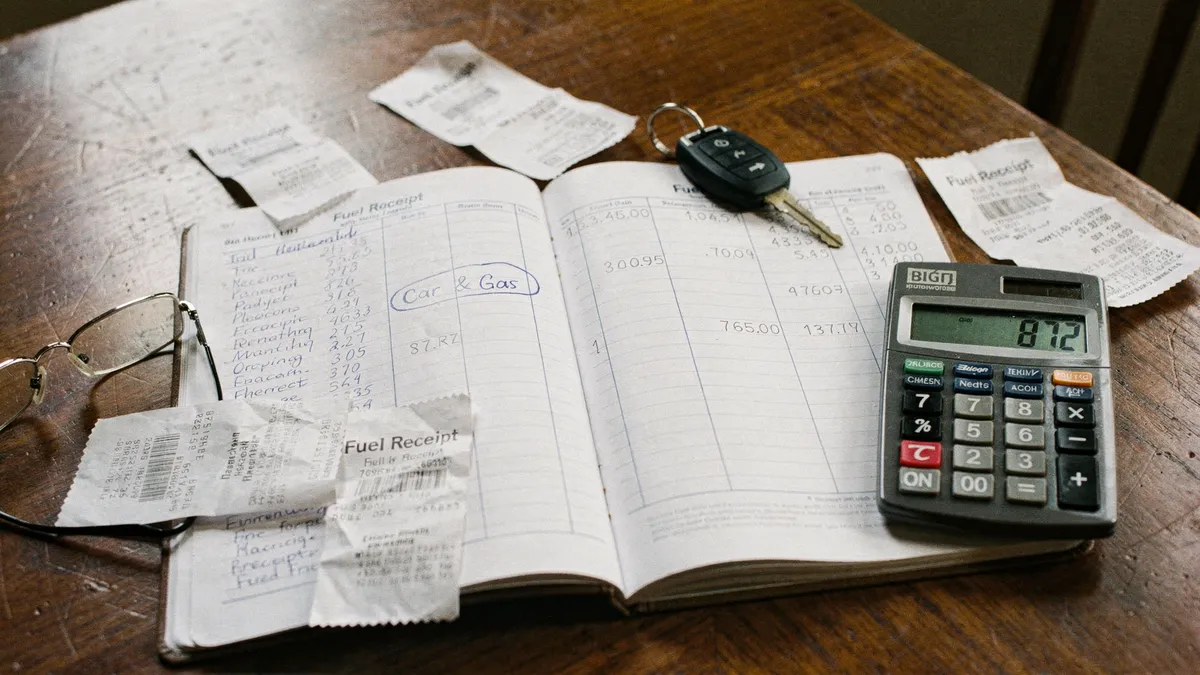
A cash envelope budget system is a simple and effective way to manage your finances.
Let’s take a look at how this budget system works and the benefits of using it.
Cash Envelope Budget Systems For Beginners: Setting Up Your Budget
The first step in setting up your budget is determining your income and expenses. Start by calculating your monthly net income, or the amount of money you take home after taxes and other deductions.
Next, list your monthly expenses. This includes fixed expenses such as rent, mortgage payments, car payments - and utilities, as well as variable expenses such as groceries, gas, and entertainment.
Once you have a clear picture of your income and expenses, you can begin allocating your money into different categories.
Creating Envelopes for Expenses
Now that you have determined your income and expenses - it’s time to create envelopes for each of your budget categories. You can use actual envelopes or create virtual envelopes using a budgeting app or spreadsheet.
For each category, write the name of the category on the outside of the envelope and place the appropriate amount of cash or electronic funds inside. For example, you might have an envelope for groceries, another for entertainment, and another for savings.
It’s important to stick to the amount of money allocated to each envelope. Once you have spent the money in an envelope - you can't spend any more in that category until the next month.
Using the Cash Envelope System
When you receive your monthly income, distribute it among your envelopes according to your budget. If you need to make a purchase, use the cash from the appropriate envelope.
If you have remaining funds at the end of the month, you have a few options:
- Roll over the remaining funds into the same envelope the next month
- Transfer the remaining funds for a different envelope
- Put the remaining funds into savings for a later date
The cash stuffing envelope system helps avoid the overdraft fees and debt that can come with frequent debit and credit card swiping. It also helps you stay accountable for your spending habits and gives you a clear picture of where your money is going each month.
Budgeting Strategies
There are several budgeting strategies you can use with the cash envelope system:
It’s important to choose a budgeting strategy that works best for you and your financial goals.
Additional Resources
There are many resources available to help you create and maintain a budget. The Federal Trade Commission offers resources for making a budget, including a budget worksheet and a budgeting video.
In addition, there are many online tools and apps that can help you track your spending and manage your budget. Some popular options include Mint, Personal Capital - and YNAB .
Remember, creating and maintaining a budget takes time and effort, but it can lead to financial stability and peace of mind.
The Council of Economic Advisers estimates that since 2011, the Consumer Financial Protection Bureau (CFPB) has cost consumers between $237-$369 billion.
The NCUA administers the National Credit Union Share Insurance Fund, which provides up to $250 -000 of federal share insurance to millions of account holders.
The National Credit Union Administration (NCUA) is an independent federal agency created by the U.S. Congress to regulate, charter and supervise federal credit unions.
References
- stuffing envelope system helps avoid - nerdwallet.com
- Trade Commission offers resources for - dfr.oregon.gov
- $237 - consumerfinance.gov
- $250,000 - ncua.gov