Tax Record Organization Throughout the Year: here's what actually helps. Organizing your tax records throughout the year can make filing taxes much less stressful. The best way to stay organized is to have a plan in place for record-keeping from the start of the year.
How to Organize Your Tax Records Throughout the Year
If you're looking for tips on organizing your tax records throughout the year, this guide can help. It's always a good idea to keep copies of important documents, such as tax returns, receipts, and bank statements - for at least three years.
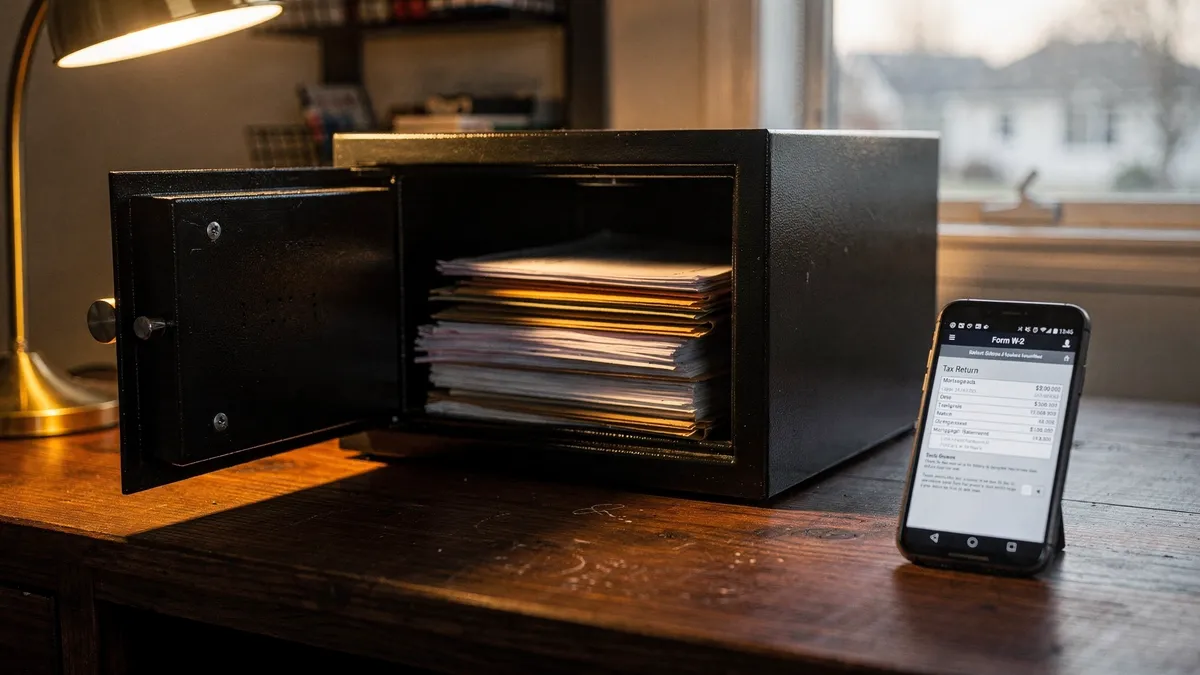
You can choose to store all of your tax records in a folder, box, or digital storage system. Whichever method you choose, make sure that you're able to find everything easily when you need it. You'll also want to keep your tax documents in a safe place, such as a fireproof safe or a safety deposit box.
It's also a good idea to keep copies of your W-2 forms - which are mailed out by your employer by January 31 of the following year. W-2 forms are an essential document that shows your income for the previous year, including your gross income, federal income tax withheld, social security tax withheld, and Medicare tax withheld. You can also view your W-2 forms online via the Employee Personal Page (EPP).
If you need assistance with your W-2 forms - you can call the toll-free number 1-800-767-9641 for help. Additionally, the NFC Contact Center is available 24 hours a day, seven days a week.
What Documents Should You Keep?
Some of the documents that you should keep include your W-2 forms, tax returns, receipts - bank statements, and mortgage interest statements. It's also a good idea to keep copies of any documents that you used to itemize deductions, such as charitable donation receipts or medical expense receipts.
For example, if you have a home office, you may be able to deduct a portion of your rent or mortgage payments - utilities, and other expenses related to running your business. If you plan to take a home office deduction, you'll need to keep track of these expenses throughout the year. The maximum annual deduction for qualified overtime wages is $12,500 ($25,000 for joint filers).
When Should You Destroy Tax Records?
The amount of time that you need to keep tax records varies depending on the type of document. For example - you should keep copies of your tax returns for at least three years. However, if you file a claim for a loss from worthless securities or bad debts, you should keep those documents for seven years.
Additionally, if you don't report income that you should report, and it's more than 25% of the gross income shown on your return - you should keep those documents for six years. If you file a claim for credit or refund after you file your return, you should keep those documents for three years from the date you filed your original return or two years from the date you paid the tax, whichever is later.
As mentioned before, it's a good idea to shred any tax documents before you throw them away. You can also burn them, but you should make sure that they're completely destroyed. You should also shred or destroy any documents that contain sensitive information - such as your Social Security number or bank account information.
Other Tips for Staying Organized
Here are some additional tips for staying organized:
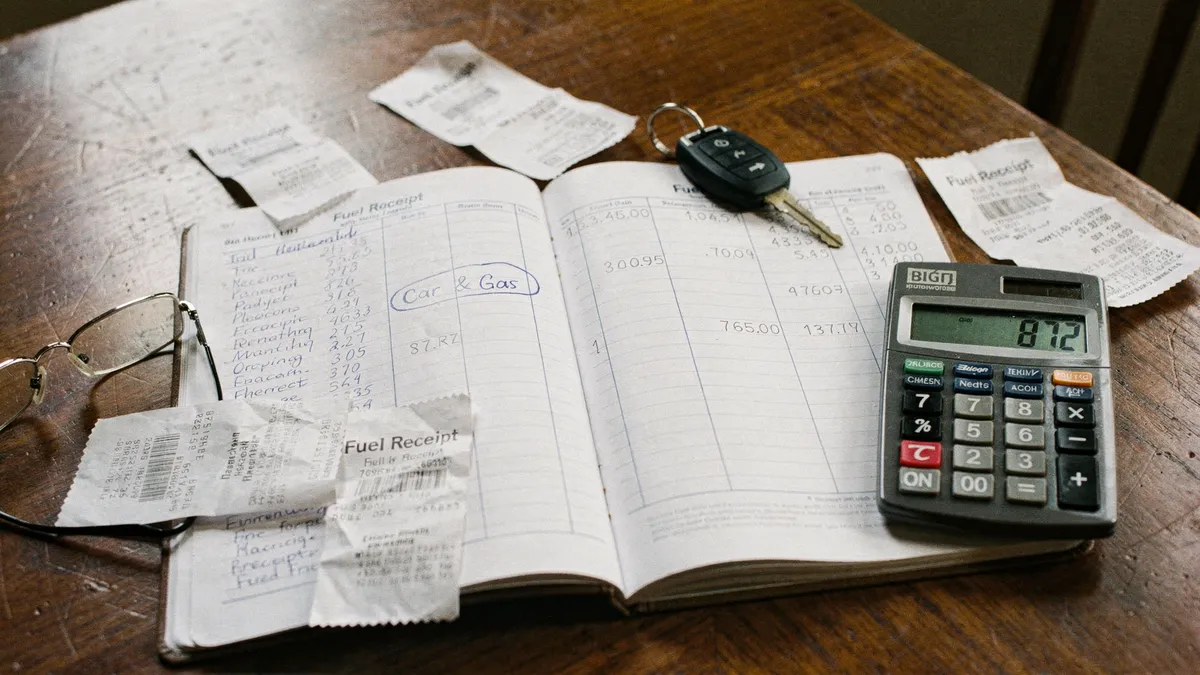
- Keep a running list of expenses throughout the year. This will make it easier to itemize deductions at tax time.
- Keep copies of any letters or emails that you send or receive from the IRS.
- Use a digital storage system to keep track of important documents.
- Label folders and files clearly so that you can find them easily.
By following these tips, you can keep your tax records organized and reduce stress during tax season. You'll also be able to avoid penalties and fines if you're audited.
Conclusion
Keeping your tax records organized throughout the year can save you a good deal of time and hassle come tax season. By keeping copies of your W-2 forms, tax returns, receipts, bank statements - and mortgage interest statements, you can ensure that you have all of the necessary documentation to file your taxes correctly. You should also shred or destroy any documents that contain sensitive information before throwing them away. Following these tips can help you stay organized and prepared for tax season.
Disclaimer
This article is for general information only and isn't financial advice. Consider speaking with a licensed advisor about your own situation before making decisions.