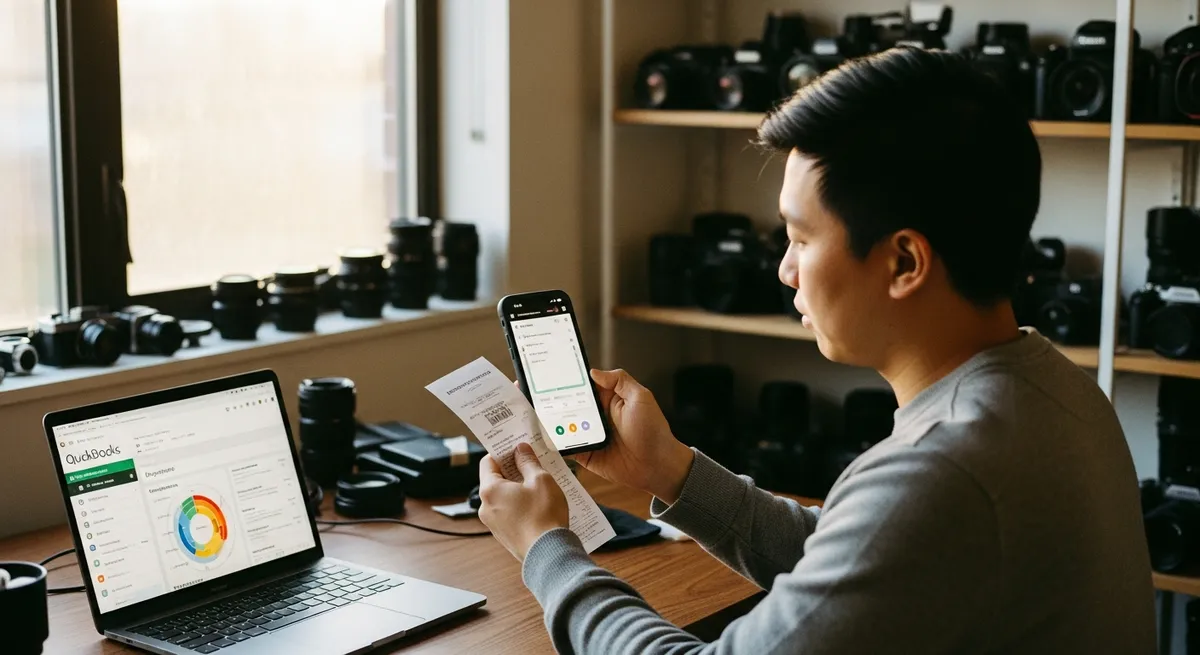
Finding the right system to track your business expenses can feel like a guessing game. But with so many options available, choosing one that suits your needs is easier than ever.
Business owners and freelancers often neglect to properly track their expenses. But without proper tracking, you could be missing out on thousands of dollars in legitimate business deductions. Plus, poor record-keeping increases audit likelihood by 2.3x according to IRS statistical data.
Business Expense Tracking Systems For Freelancers: How to Properly Track Your Business Expenses
Freelancers often pay for business expenses out of their own personal accounts. This can make it difficult to keep track of which expenses are eligible for deduction. However, by using a business expense tracking system - you can easily categorize and organize your expenses.
So while some freelancers might prefer to keep paper receipts, digital tracking is much more efficient and effective. There are many free and paid options available, QuickBooks, and Wave.
The Biggest Mistake Freelancers Make With Their Finances
According to industry surveys, a significant portion of independent workers admit to starting their freelance careers without a formal budget or financial plan in place. This can lead to missed business deductions - as well as difficulty in managing finances overall.
To avoid making this mistake, it's important to set up a budget and financial plan from the beginning. This will help you stay organized and ensure that you're taking advantage of all possible deductions.
What You Should Keep Track Of as a Freelancer
There are several key categories of expenses that freelancers need to keep track of, including:
- Office supplies and equipment
- Travel and transportation
- Professional development and education
- Health insurance premiums
- Marketing and advertising
- Mileage
It's important to keep track of all of these expenses so that you can maximize your deductions. Additionally, it's important to keep detailed records of all expenses, as the IRS requires businesses to keep records of employment taxes for at least four years.
Best Practices for Staying Organized as a Freelancer
Manual expense management consumes 8-12 hours monthly that could be spent on billable work. To streamline the process - it's important to establish a consistent routine for tracking expenses. This might involve setting aside time each week to input expenses into your tracking system, or using an app that automatically tracks expenses for you.
Additionally, it's important to stay organized by keeping all receipts and documentation in one place. This can be a physical folder or a digital file system, depending on your preference. By staying organized, you'll be better equipped to manage your finances and take advantage of all possible deductions.
Common Challenges Freelancers Face With Their Finances
Freelancers often face challenges with their finances - including late or missing client payments, as well as difficulty in increasing their fees within their first year. These challenges can make it difficult to stay on top of finances and maximize deductions.
To overcome these challenges, it's important to have a clear understanding of your finances and to establish a strong relationship with your clients. This might involve setting clear payment terms and expectations, as well as regularly reviewing your pricing structure to ensure that it reflects the value of your services.
Why You Should Start Using a Business Expense Tracking System Today
Without proper tracking, the average freelancer misses out on over $5,000 in eligible tax deductions each year. By using a business expense tracking system - you can ensure that you're taking advantage of all possible deductions, and staying organized and efficient in your financial management.
In addition to maximizing deductions, using a business expense tracking system can also help you stay organized and efficient. This can save you time and money in the long run, and help you achieve your financial goals as a freelancer.
Further reading
- https://www.irs.gov/businesses/small-businesses-self-employed/what-kind-of-records-should-i-keep
- https://www.sba.gov/counseling/manage-your-business/
- https://www.billdock.io/blog/best-expense-management-software
- https://www.slash.com/blog/how-to-categorize-expenses
Disclaimer
This article is a personal reflection shared for general informational purposes only. It is not financial, investment, insurance, or tax advice. For decisions about your own money, please consult a qualified financial professional.