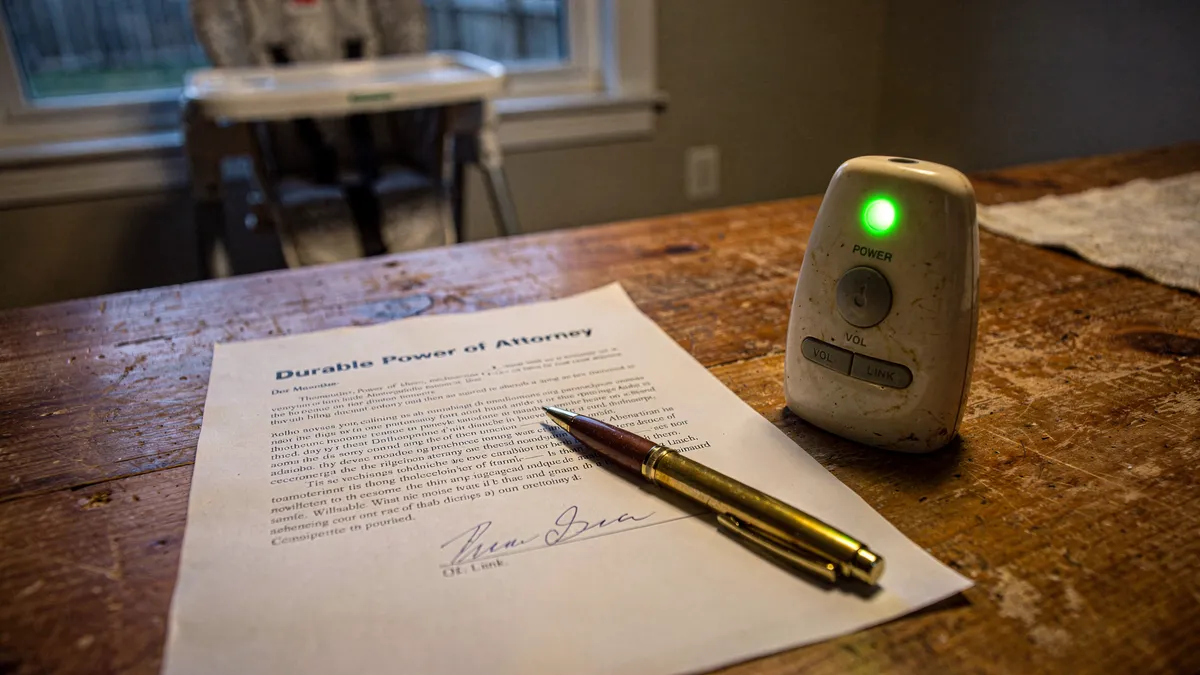
Young families might not think they need to worry about estate planning, but it's never too early to start thinking about the future. Here are some basics to get started.
Estate Planning Basics For Young Families: Who Needs Estate Planning?
Estate planning isn't just for wealthy individuals or those nearing retirement age. Anyone who owns property that matters to them, is concerned with possible incapacity, or has a minor child should consider estate planning. While the idea of planning for your death can be difficult, taking care of these issues while you're able to do so can provide peace of mind for you and your loved ones.
Many people believe that estate planning is only necessary for the wealthy - but that's simply not true. According to the IRS, for deaths in 2025, the federal government will impose estate tax at your death only if your taxable estate is worth more than $13.99 million. This means that most people won't have to pay estate taxes, but it also means that estate planning is still necessary to ensure that your wishes are carried out after you pass away.
For example, if you become incapacitated without a plan - a court will decide who will manage your finances and state law will determine who will make medical decisions on your behalf. This can be a time-consuming and expensive process that can also be emotionally taxing for your loved ones. By creating a durable power of attorney for finances, you can give a trusted person authority to handle your finances and property if you become incapacitated and unable to handle your affairs.
Types of Estate Planning Documents
Estate planning involves a variety of documents, including wills, trusts, powers of attorney - and beneficiary designations. Wills are legal documents that specify how you want your property distributed after you die. Trusts are legal arrangements that allow you to transfer property to beneficiaries while avoiding probate. Powers of attorney give another person the authority to act on your behalf in financial and legal matters if you're unable to do so yourself. Beneficiary designations allow you to name a specific individual to receive certain assets, such as life insurance proceeds or retirement accounts, upon your death.
Some states, have created simple will forms to make the process easier for individuals. In 2023, the Texas Supreme Court approved will forms for single - widowed, or divorced individuals with and without children, and for married individuals with and without children. These forms can be downloaded and filled out online, making it easy for individuals to create their own wills.
In Montana, Beneficiary Deeds have been replaced by Transfer on Death Deeds - which allow you to transfer property to a beneficiary upon your death. This type of deed can be used to avoid probate and ensure that your property is transferred to the intended beneficiary.
Considerations for Young Families
Young families may have unique considerations when it comes to estate planning. For example, if you have minor children, you may want to appoint a guardian to take care of them in the event that both parents die. You may also want to establish a trust to manage your children's inheritance until they reach adulthood.
Another consideration for young families is the Montana Uniform Transfers to Minors Act (UTMA). This law allows a parent or other adult to make gifts of assets during life, bequests with a will, or distributions from a trust to a custodial account for the benefit of a child who is under 21 years of age. This can be a useful tool for providing for your children's education or other needs.
Choosing a Professional
If you're unsure about how to proceed with estate planning - it's best to consult with a professional who specializes in estate planning. An estate planning attorney can help you handle the legal requirements and create documents that meet your needs. A financial advisor can also provide guidance on how to manage your assets and ensure that your estate plan is consistent with your overall financial goals.
When choosing a professional, it's important to ask about their experience and qualifications. Look for an attorney who has experience working with clients in your state and who is licensed to practice in your state. It's also important to find an attorney who is familiar with the specific laws and regulations that apply to estate planning in your state.
Conclusion
Estate planning is an essential part of protecting your loved ones and ensuring that your wishes are carried out after you pass away. By understanding the basics of estate planning and taking steps to create a plan that meets your needs, you can provide peace of mind for yourself and your loved ones. If you have any questions or concerns about estate planning, it's best to consult with a professional who can provide guidance and support.
Remember, the most important aspect of estate planning is making sure your loved ones are taken care of and your wishes are followed through after you're gone. Don't wait until it's too late to start planning.
References
- $13.99 million - nolo.com
- Texas Supreme Court approved will - guides.sll.texas.gov
Further reading
- https://www.irs.gov/businesses/small-businesses-self-employed/estate-tax
- https://www.irs.gov/businesses/small-businesses-self-employed/whats-new-estate-and-gift-tax
- https://www.nolo.com/legal-encyclopedia/12-simple-steps-estate-plan-29472.html
- https://store.nolo.com/products/estate-planning-basics-espn.html?srsltid=AfmBOoq1yA0jtyrVKF5LQxScCPVTYuI9mLrFmihB3VvB4zubK8xSpa3N
Disclaimer
This article is a personal reflection shared for general informational purposes only. It is not financial, investment, insurance, or tax advice. For decisions about your own money, please consult a qualified financial professional.