Are you spending more money than you need to? You probably are, and it's not because you're frivolous. It's because companies are using sneaky tactics to hook you into paying for things you don't even want.
Subscriptions have become ubiquitous in our lives. From streaming services to gym memberships, we're constantly signing up for monthly payments without really thinking about it. And while some subscriptions are worth the cost, others aren't. But how do you know which ones to keep and which ones to cut?
Monthly Spending Audits That Reveal Hidden Costs: How to Audit Your Monthly Spending
Conducting a monthly spending audit can help you uncover hidden costs and subscriptions that are bleeding your bank account dry. Here's how to do it:
Step 1: Gather All Your Bills and Statements
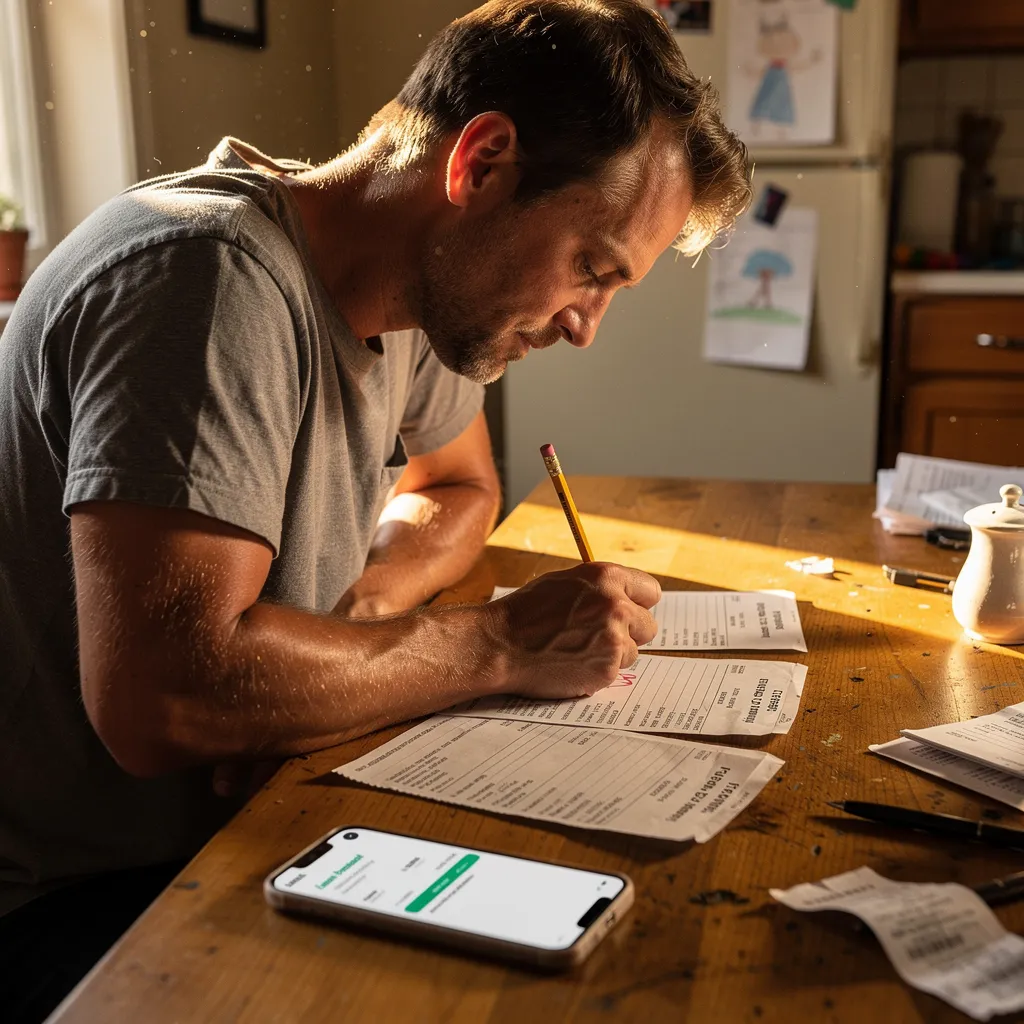
The first step is to gather all of your bills and statements, including credit card bills - bank statements, utility bills, and any other bills you receive regularly. Look for recurring charges and subscriptions that you might have forgotten about.
Step 2: Review Your Subscriptions
Once you have all of your bills and statements in front of you, take a close look at your subscriptions. Are you still using all of the services you signed up for? Is there anything you can cancel to save money?
Step 3: Check for Hidden Fees
Many companies use sneaky tactics to charge you extra fees that you might not even realize you're paying. For example, some gyms automatically enroll members in a personal training program unless they opt out - and some phone companies charge extra fees for services you didn't even sign up for. Make sure you're not being charged for anything you don't want or need.
Step 4: Negotiate with Service Providers
If you find a subscription or service that you want to keep but can't afford, try negotiating with the provider. Often, you can get a better rate or discount if you ask.
Step 5: Set Up Automatic Cancellation
Finally, set up automatic cancellation for any subscription or service you no longer want. This will prevent you from being charged for something you don't want.
Why You Should Do a Monthly Spending Audit
A monthly spending audit can help you identify areas where you're overspending and find ways to save money. It can also help you avoid hidden fees and subscriptions that you forgot about. By taking control of your finances, you can live a happier - healthier, and more financially secure life.
The Importance of Clear Communication
Companies risk violating the law if they don't clearly and conspicuously disclose the terms of their subscription services and obtain consumers' informed consent, or if they make it unreasonably difficult for consumers to cancel. Under NY General Business Law, businesses selling automatic renewal programs or continuous services must provide consumers an easy-to-use cancellation mechanism before the consumer pays for the service. These laws exist to protect consumers from being charged for services they don't want or need.
The Benefits of Click-to-Cancel
The Federal Trade Commission recently announced a final "click-to-cancel" rule that will require sellers to make it as easy for consumers to cancel their enrollment as it was to sign up. This rule will provide a consistent legal framework by prohibiting sellers from misrepresenting any material fact made while marketing goods or services with a negative option feature. This means that you'll be able to easily cancel any subscription or service you no longer want, without having to jump through hoops or speak to customer service representatives.
The Cost of Unnecessary Subscriptions
On average - those with a subscription pay $90 per month or $1,080 per year. However, many people are spending more than that on subscriptions they don't even use. According to a study in 2025, on average a person spends more than $200 on unused subscriptions every year. That's plenty of money that could be put towards other things, like savings or investments.
The Risks of Negative Option Programs
Negative option programs are subscription-based services that automatically renew and bill customers unless they take active steps to cancel. Companies offering negative option programs risk violating the Consumer Financial Protection Act's (CFPA) prohibition on unfair - deceptive, or abusive acts or practices where they fail to disclose, clearly and conspicuously, the material terms of the negative option offer to the consumer. These programs can be especially harmful to vulnerable populations, such as seniors or individuals with low financial literacy.
Conclusion
By conducting a monthly spending audit - you can identify unnecessary subscriptions and hidden fees that are draining your bank account. You can also negotiate with service providers and set up automatic cancellation to prevent future overspending. With clear communication and the click-to-cancel rule, you can take control of your finances and live a happier, healthier, and more financially secure life.
References
- $90 - u.osu.edu
- negative option programs risk violating - consumerfinance.gov
Further reading
- https://www.ftc.gov/news-events/news/press-releases/2024/10/federal-trade-commission-announces-final-click-cancel-rule-making-it-easier-consumers-end-recurring
- https://www.kff.org/health-costs/gaps-in-data-about-hospital-and-health-system-finances-limit-transparency-for-policymakers-and-patients/
- https://u.osu.edu/livehealthyosu/2025/09/30/the-cost-of-subscriptions/
- https://law.lis.virginia.gov/vacodefull/title59.1/chapter17.8/
Disclaimer
This article is a personal reflection shared for general informational purposes only. It is not financial, investment, insurance, or tax advice. For decisions about your own money, please consult a qualified financial professional.