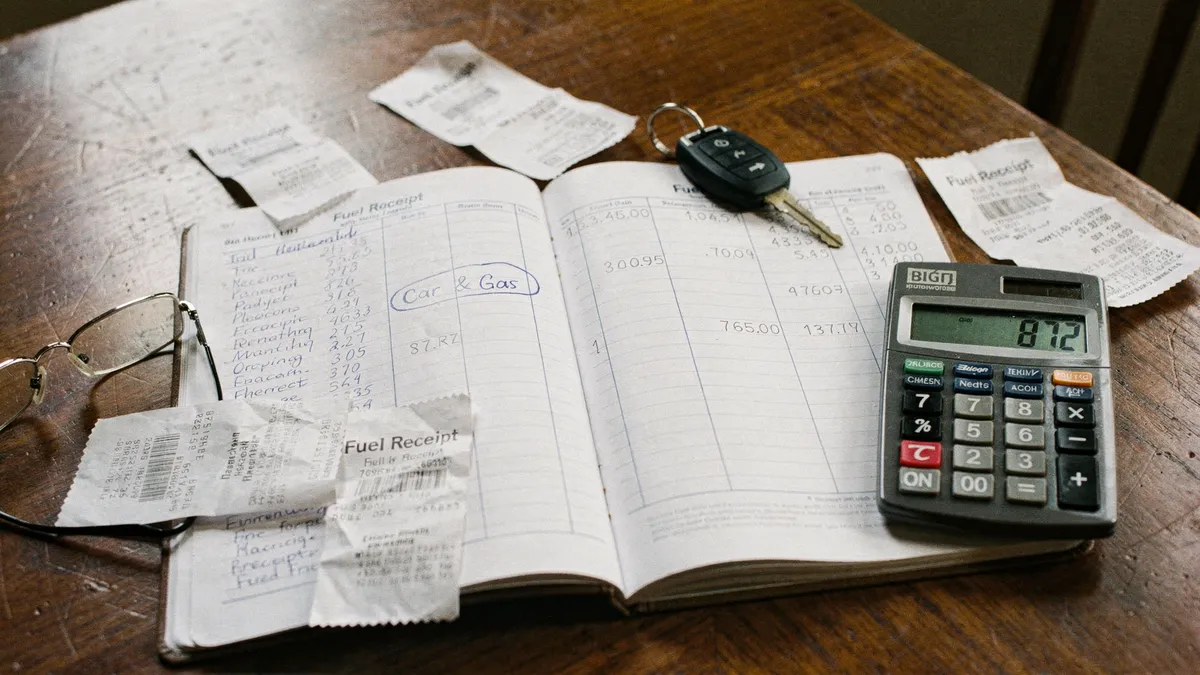
If you want to improve your family's budgeting, start having regular financial meetings. These meetings can help you set goals, track your spending, and stay on top of your finances.
What You Should Know About Family Financial Meetings That Improve Budgeting
Many families struggle to stick to a budget. But there are ways to make budgeting easier and more effective, especially when it comes to managing finances as a family. Here are some tips for improving your family's budgeting:
Involve Your Spouse in the Budget Process
Involving your spouse in the budget process can strengthen your marriage and help you achieve your financial goals. According to University of Utah experts - involving your spouse in the budget process can help you stay on track financially.
Set Goals Together
Setting goals together can help you prioritize your spending and stay motivated to achieve your financial goals. For example, you might decide to save a certain amount of money each month for a down payment on a house or to pay off credit card debt.
Track Your Spending
To stick to a budget, you need to track your spending. There are many apps and tools available that can help you track your spending, such as Mint or YNAB .
Use Mental Budgeting Techniques
Mental budgeting is a technique that involves mentally classifying and monitoring your expenditures. This can help you stay aware of your spending habits and make better decisions about how to allocate your money. Research published in the Journal of Behavioral Finance suggests that mental budgeting is associated with lifted levels of financial well-being.
Why Regular Family Financial Meetings Matter
When you sit down with your family to discuss finances, you can identify areas where you might be overspending and make adjustments to your budget accordingly. For example - you might realize that you're spending too much on eating out or that you could be saving more money by cutting back on discretionary expenses.
By regularly reviewing your budget and making adjustments as needed, you can stay on track to achieve your financial goals. Additionally, involving your family in the budgeting process can help foster a sense of financial responsibility and cooperation among family members.
Here are some benefits of holding regular family financial meetings:
- Helps you stay on track with your financial goals
- Encourages open communication about finances
- Allows you to identify areas where you might be overspending
- Fosters a sense of financial responsibility and cooperation among family members
Tips for Holding Successful Family Financial Meetings
Holding successful family financial meetings requires some preparation and organization. Here are some tips to help you hold productive meetings:
Choose a Good Time and Place
Schedule your meeting at a time when everyone is available and can focus on the discussion. Choose a quiet place where you won't be interrupted.
Set an Agenda
Before the meeting, create an agenda that outlines the topics you want to discuss. This can help ensure that you cover all the important points during the meeting.
Use Visual Aids
Using visual aids, such as charts or graphs - can help make your meeting more engaging and informative. For example, you could create a chart showing your current spending patterns or projected savings.
Encourage Open Communication
Encourage everyone to speak freely and share their thoughts and concerns. Listening to each other's perspectives can help you come up with creative solutions to financial challenges.
Follow Up
After the meeting, follow up with action items and deadlines for implementing changes to your budget. This can help ensure that you stay on track with your financial goals.
Conclusion: How to Host Effective Family Financial Meetings
Hosting regular family financial meetings can help you stay on track with your financial goals and foster open communication about finances. By setting goals together, tracking your spending, using mental budgeting techniques - and following up with action items, you can make the most of your family financial meetings and achieve your financial objectives.
Further reading
- https://pmc.ncbi.nlm.nih.gov/articles/PMC10645357/
- https://home.treasury.gov/policy-issues/consumer-policy/financial-literacy-and-education-commission
- https://www.federalreserve.gov/publications/2025-economic-well-being-of-us-households-in-2024-savings-and-investments.htm
Disclaimer
This article is a personal reflection shared for general informational purposes only. It is not financial, investment, insurance, or tax advice. For decisions about your own money, please consult a qualified financial professional.