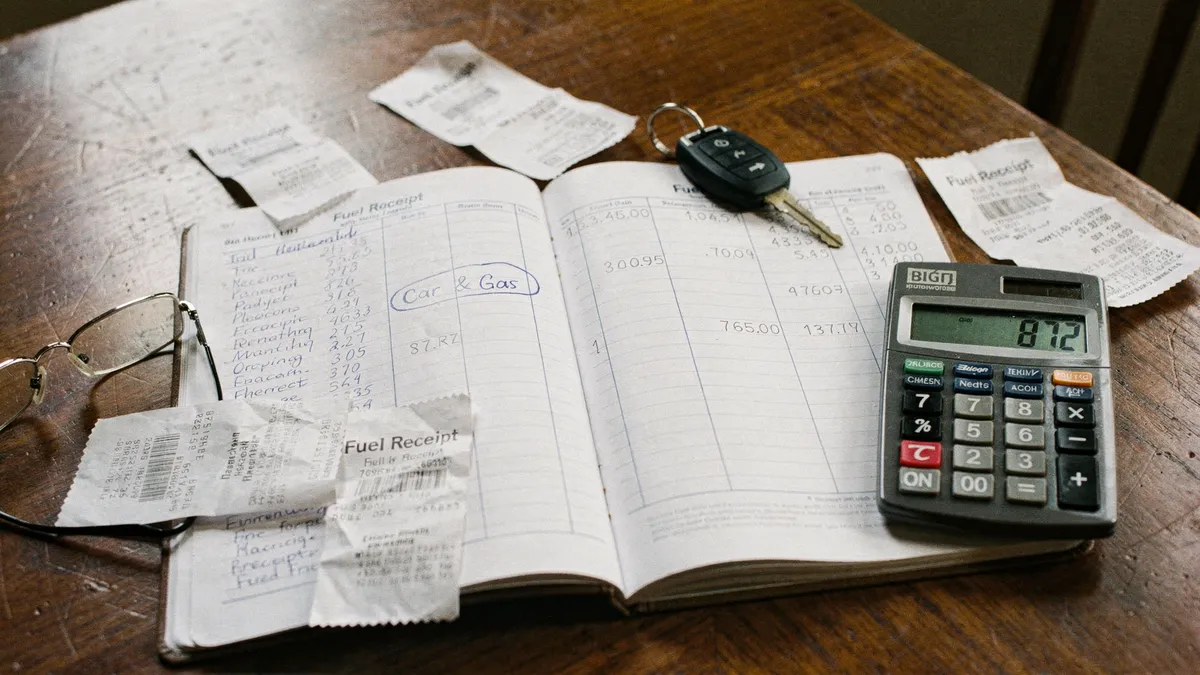
Subscription Audits That Reduce Monthly Expenses: here's what actually helps. A subscription audit can help you find and eliminate unused subscriptions, reducing monthly expenses.
How Subscription Audits Can Reduce Monthly Expenses
If you've ever signed up for a service or product without giving much thought to whether you really need it, you're not alone. Many people end up with a bunch of subscriptions they don't use or remember signing up for. But these subscriptions can add up, eating away at your monthly budget.
The good news is that by conducting a subscription audit, you can identify and eliminate unused subscriptions - freeing up money for other expenses or savings goals. According to a recent survey, in the month prior to the survey, 17 percent of adults said they didn't pay all their bills in full.
But by trimming $50 a month from subscriptions, you can redirect $600 annually toward savings goals. This is because a subscription audit can be completed in about 30 minutes, and it only takes a few minutes to cancel an unused subscription worth $25 a month - which could free up $300 a year.
How to Conduct a Subscription Audit
To conduct a subscription audit, start by gathering all your monthly bills and statements. You'll want to look at everything from your bank account to your credit card statements to your phone bill. Once you have all the information in front of you, start making a list of all the subscriptions you have, including how much they cost and when you signed up for them.
Next, take a closer look at each subscription. Ask yourself whether you really need it and whether you're getting your money's worth. If you haven't used a subscription in the last six months - it's probably safe to cancel it.
If you're not sure whether a subscription is worth keeping, consider whether you could replace it with a similar service or product that's cheaper or free. For example, if you're paying for a streaming service that you rarely watch, you might be able to find similar content on YouTube or another free platform.
What you have to understand is that people often check only one account and then stop, so they miss subscriptions that are billed to a different card or a PayPal account or even an old email address that still has an active billing relationship attached to it. The fix for this is to go through every payment method you own, not just the one you use most, and that means checking every bank account and every card before you call the audit done.
Keep in mind that some subscriptions bill annually instead of monthly, and those are easy to forget because you only see the charge once a year and it does not show up in your normal monthly review. So when you make your list, you want to look back at least twelve months of statements, not just the last one or two, and that way the annual charges will show up and you can decide if each one is still worth keeping.
What you have to understand is that a lot of people make the list and then stop there without actually deciding anything, and so the list just sits there and nothing gets canceled and nothing changes. The fix is to make a decision on each subscription the same day you make the list, because if you leave decisions for later you will usually leave them forever and the charges will keep coming.
Common Pitfalls of Subscription Audits
One common pitfall of subscription audits is forgetting to cancel a subscription before it auto-renews. Many subscription offers, especially those with free trials - require a credit card number upfront to charge you if you don't cancel on time. To avoid this mistake, set reminders for yourself to cancel any subscriptions you don't plan to keep before they renew.
Another pitfall is being misled by free trial offers. Some affiliate marketers may create ads with exaggerated claims or misleading information to encourage clicks on free trial offers. If a free trial offer requires payment for shipping or fees, it's not truly free.
The simple fact is that a lot of people cancel a subscription and then assume the cancellation went through without actually confirming it, and then the charge shows up again next month anyway. The fix is to look for a confirmation email from the company after you cancel, and if no confirmation arrives you should log back in and check your account status before you assume the subscription is gone.
The Final Rule Will Help Consumers
In response to higher prices, 62 percent of adults switched to a cheaper product, and 61 percent used less of or stopped using a product. The final rule will prohibit sellers from misrepresenting material facts - failing to clearly disclose material terms before obtaining billing information, failing to obtain express informed consent, and failing to provide a simple cancellation mechanism.
It's important to note that the FTC's rule is an update to its 1973 Negative Option Rule, modernized for the digital economy. This means that the final rule will help consumers handle the subscription market and avoid hidden fees and charges.
Keep in mind that a rule existing on paper does not mean every seller will follow it right away, and so you still need to check your statements after you cancel something to make sure the charges actually stopped. The simple fact is that knowing your rights under a rule is useful but you also have to take your own steps to verify that a cancellation worked, and you should not rely on the rule alone to protect your money.
Who It Helps and Who It Hurts
Subscription audits can help people with low incomes reduce their monthly expenses. According to a recent survey, of adults with a family income less than $25,000, 36 percent didn't pay all their bills in full, compared with 6 percent of adults with a family income of $100,000 or more.
On the other hand, subscription audits can hurt businesses that rely on subscriptions for revenue. However - by providing consumers with better information and easier cancellation mechanisms, the final rule can help ensure that subscriptions are a win-win for both consumers and businesses.
Keep in mind that for people who are already behind on bills, canceling subscriptions is a useful step but it may not be enough on its own to close a budget gap, and those people may also want to talk to a nonprofit credit counselor about other options. The simple fact is that a subscription audit is a good starting point for most people but it is not a complete financial plan on its own.
Conclusion
A subscription audit can help you reduce your monthly expenses and redirect funds toward savings goals. By taking the time to evaluate your subscriptions and cancel those you don't need, you can free up money for other expenses or savings goals. With the final rule requiring sellers to make it as easy for consumers to cancel their enrollment as it was to sign up, now is a great time to conduct a subscription audit and save money on unused subscriptions.
What you have to understand is that the conclusion of an audit is not the same as the end of the work, and the real habit you want to build is checking your statements every month so that new subscriptions do not quietly pile up again. For most people, setting a recurring reminder once every few months to do a quick check is enough to keep subscription costs from creeping back up over time.
What People Get Wrong
One thing people get wrong is thinking that a subscription audit is a one-time task and once you do it you are finished, but new subscriptions can pile up again over the following months so you have to repeat the audit every few months to keep things under control. Another thing people get wrong is assuming that a subscription they share with someone else does not count as their expense, but if the charge hits your account then it is your expense and you need to account for it. People also get wrong the idea that canceling a subscription always takes effect immediately, and the simple fact is that some services keep billing you until the end of the current billing period even after you cancel, so you should read the cancellation terms before you expect the charges to stop. On top of that, people often think that pausing a subscription is the same as canceling it, but a paused subscription will usually restart and charge you again automatically, so pausing is not a reliable way to stop the cost for good.
What This Does Not Cover
What you have to understand is that this article covers general steps for auditing personal subscriptions and it does not cover business subscriptions or software licenses that a company pays for on your behalf, and those situations involve different processes and often require approval from an employer or a finance department. On top of that, if your subscription charges are part of a disputed billing situation or you believe you have been charged without consent, a general audit process is not the right tool and you should contact your bank or card issuer directly and you may want to file a complaint with the relevant consumer protection agency. This article also does not give legal or financial advice, and if your budget problems go beyond unused subscriptions you should talk to a qualified financial professional who can look at your full situation.
References
- 17 percent - federalreserve.gov
- $50 - 457.lacity.gov
- offer requires payment for shipping - consumer.ftc.gov
- rule will prohibit sellers from - ftc.gov
Further reading
- https://www.ftc.gov/news-events/news/press-releases/2024/10/federal-trade-commission-announces-final-click-cancel-rule-making-it-easier-consumers-end-recurring
- https://457.lacity.gov/blog-your-money/blog-post-title-two-t5my5-k4xmd-97gd2
- https://consumer.ftc.gov/articles/getting-and-out-free-trials-auto-renewals-and-negative-option-subscriptions
- https://www.ent.com/education-center/smart-money-management/how-to-audit-subscriptions-and-cut-hidden-monthly-costs/
Disclaimer
This article is a personal reflection shared for general informational purposes only. It is not financial, investment, insurance, or tax advice. For decisions about your own money, please consult a qualified financial professional.